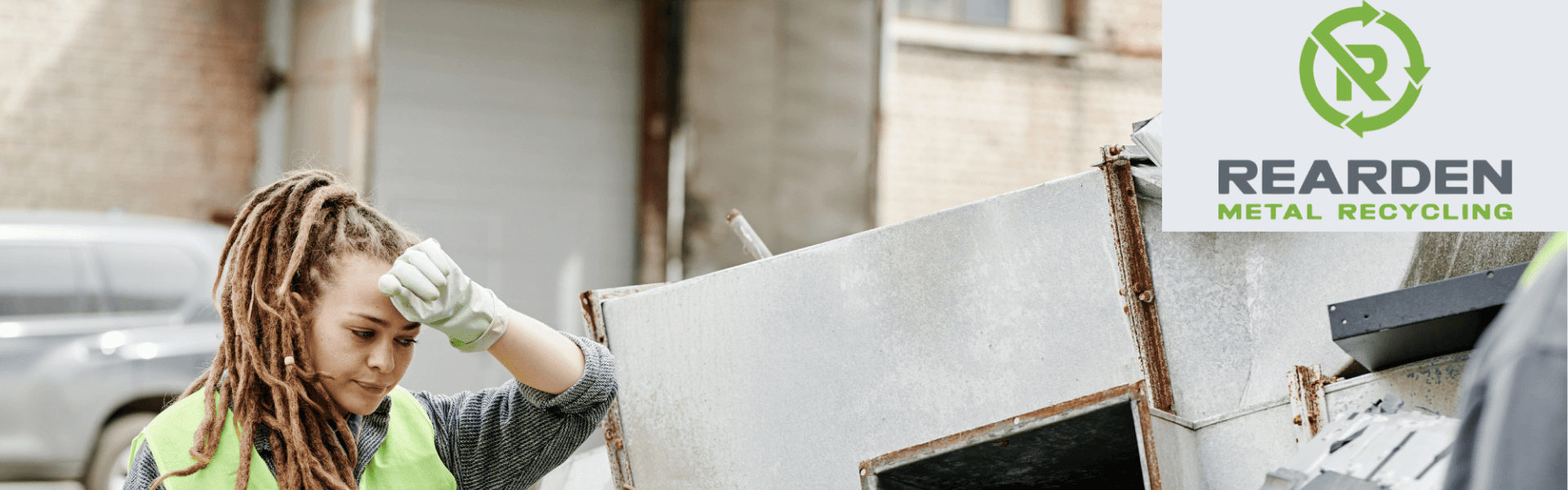
Understanding the Importance of Metal Recycling
Metal recycling is crucial for conserving natural resources and reducing environmental impact. By recycling metals, we can significantly decrease the need for mining new materials, which often leads to habitat destruction and pollution.
According to the Environmental Protection Agency, recycling one ton of aluminum saves up to 8 tons of bauxite ore, highlighting the efficiency of recycling processes. Furthermore, recycled metals require less energy to process compared to their virgin counterparts, making recycling not only an eco-friendly choice but also a cost-effective one for industries.
Innovative Technologies in Metal Recycling
The metal recycling industry is witnessing a surge in innovative technologies that enhance efficiency and sustainability. These advancements include automated sorting systems and advanced shredding techniques that improve the quality of recycled materials.
For instance, the implementation of AI-driven sorting machines allows recyclers to separate metals with greater accuracy and speed, reducing contamination and increasing the value of recycled products. Such technologies are not only transforming operational processes but also setting new standards for sustainability in the industry.
Tips for Effective Scrap Metal Collection
Effective scrap metal collection is essential for maximizing recycling efforts and minimizing waste. Proper sorting and storage of metals can streamline the recycling process and ensure higher returns.
For businesses and individuals alike, it’s important to familiarize themselves with local recycling guidelines and best practices. For example, segregating ferrous and non-ferrous metals at the source can lead to more efficient processing and better pricing when selling scrap to recycling centers.
The Role of Community in Metal Recycling Initiatives
Community involvement plays a pivotal role in promoting metal recycling initiatives and fostering a culture of sustainability. Local programs and events can educate residents about the benefits of recycling and encourage participation.
For example, community scrap drives not only help collect valuable materials but also raise awareness about environmental issues. Engaging local schools and organizations in these initiatives can further amplify their impact, creating a more informed and proactive community regarding recycling efforts.
 info@reardenmetalinc.com
 (248) 793-3410
 103 Wolfe Lane Ortonville, MI 48462
 Mon - Fri : 9AM - 4PM